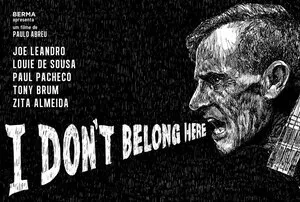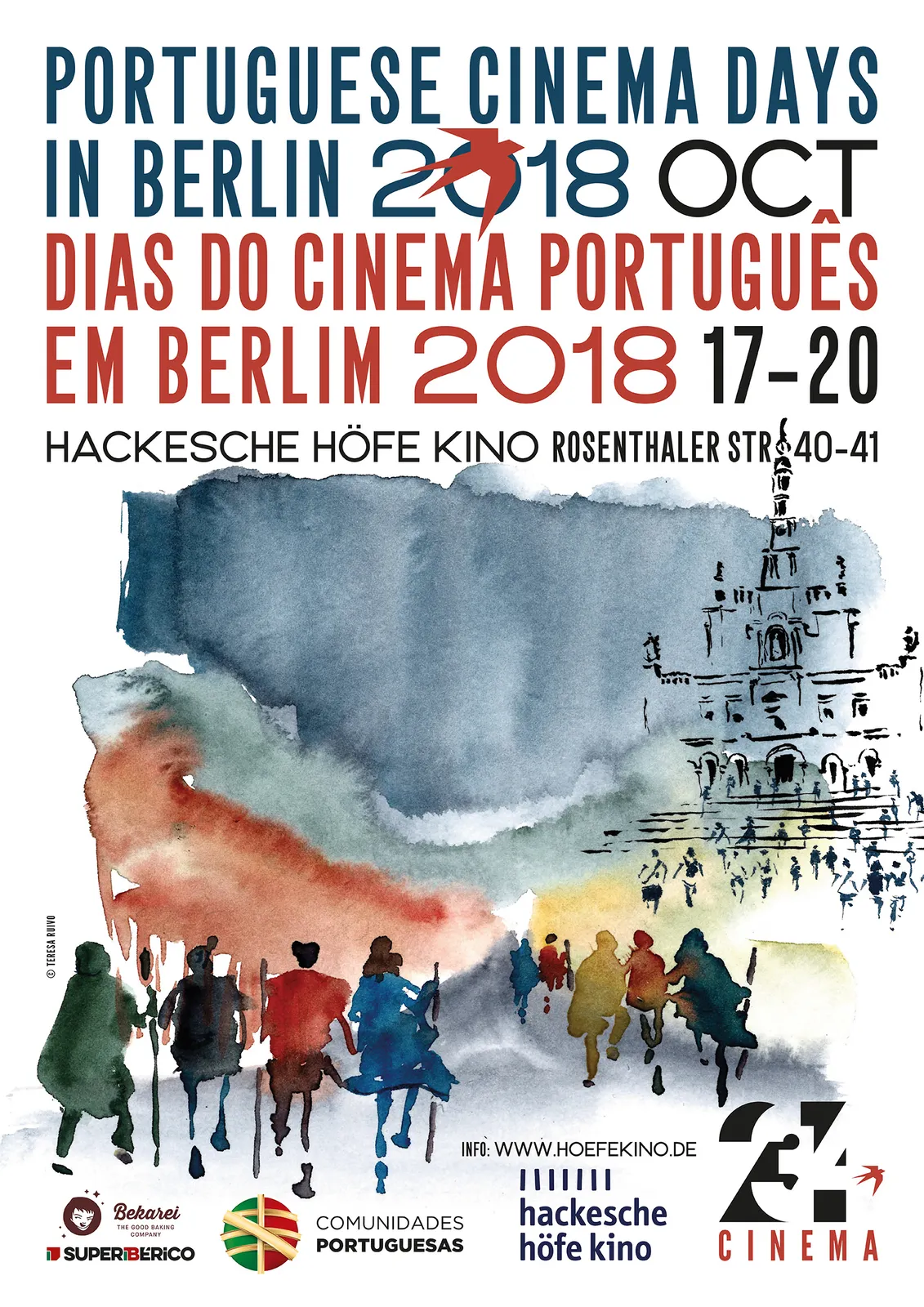
Everything began here. The first Portuguese Cinema Days took shape from a simple frustration: there was nowhere in Berlin to watch Portuguese films, and answered it with five carefully chosen features over a handful of nights at the Hackesche Höfe Kino.
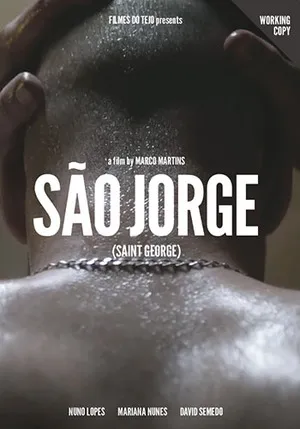
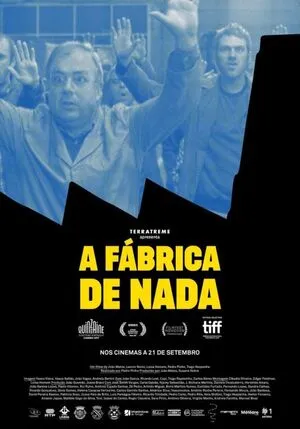
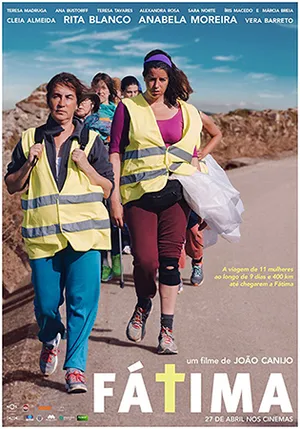
The inaugural selection set the tone for everything that followed. Marco Martins' São Jorge and Pedro Pinho's Cannes-awarded A Fábrica do Nada confronted the human cost of Portugal's financial crisis, while João Canijo's Fátima followed a pilgrimage that laid bare faith, exhaustion and desire. João Canijo was present at the festival, and the screening opened into a debate on the Fátima phenomenon with the journalist António Marujo.
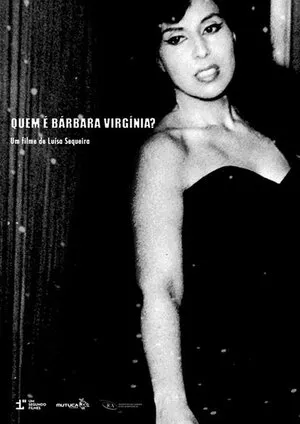
Alongside them, Quem é Bárbara Virgínia? recovered the forgotten story of the first Portuguese woman to direct a sound feature, presented in Berlin by its director, Luísa Sequeira, together with her assistant director Sama. It was a fitting note for a festival that would come to prize memory and rediscovery.
There were no established rituals, only the films, a small and curious audience, and the conviction that this was worth doing. From these five evenings grew everything the festival has since become.