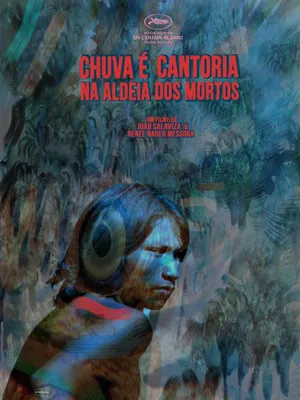
Die Ausgabe 2019 war kompakt, aber furchtlos: sechs Filme, ausgewählt, um zu zeigen, wie abenteuerlustig das zeitgenössische portugiesische Kino geworden war. Was dem Programm an Umfang fehlte, machte es durch Vielfalt wett, vom Surrealen bis zum schonungslos Politischen an einer Handvoll Novemberabende. Es war auch die erste Ausgabe im Moviemento Kino in Kreuzberg, dem Zuhause, das das Festival seither behalten hat.
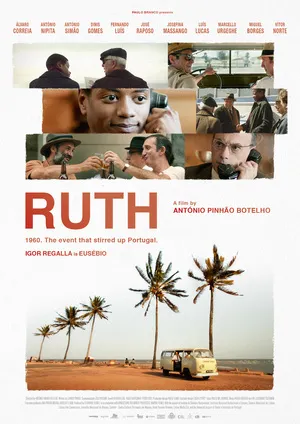
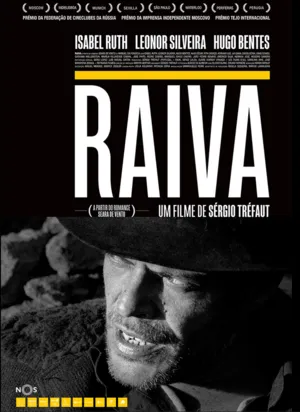
Gabriel Abrantes und Daniel Schmidts Diamantino, ein wahnwitzig einfallsreiches Märchen, das den Großen Preis der Kritikerwoche in Cannes gewann, stand an dem einen Extrem. Sérgio Tréfauts düsteres Alentejo-Drama Raiva stand am anderen. Susana de Sousa Dias' Luz Obscura setzte ihre wesentliche Arbeit über die Erinnerung an Diktatur und Repression fort. Unter den Gästen war António Pinhão Botelho anwesend, um seinen Film Ruth vorzustellen.
So klein sie war, bestätigte die Ausgabe den Anspruch des Festivals: Filme, die selten reisen, und die Filmemacher, die sie machen, einem Berliner Publikum zu bringen, das nach Autorenkino mit eigener Identität hungert.
.webp)
.webp)
.webp)