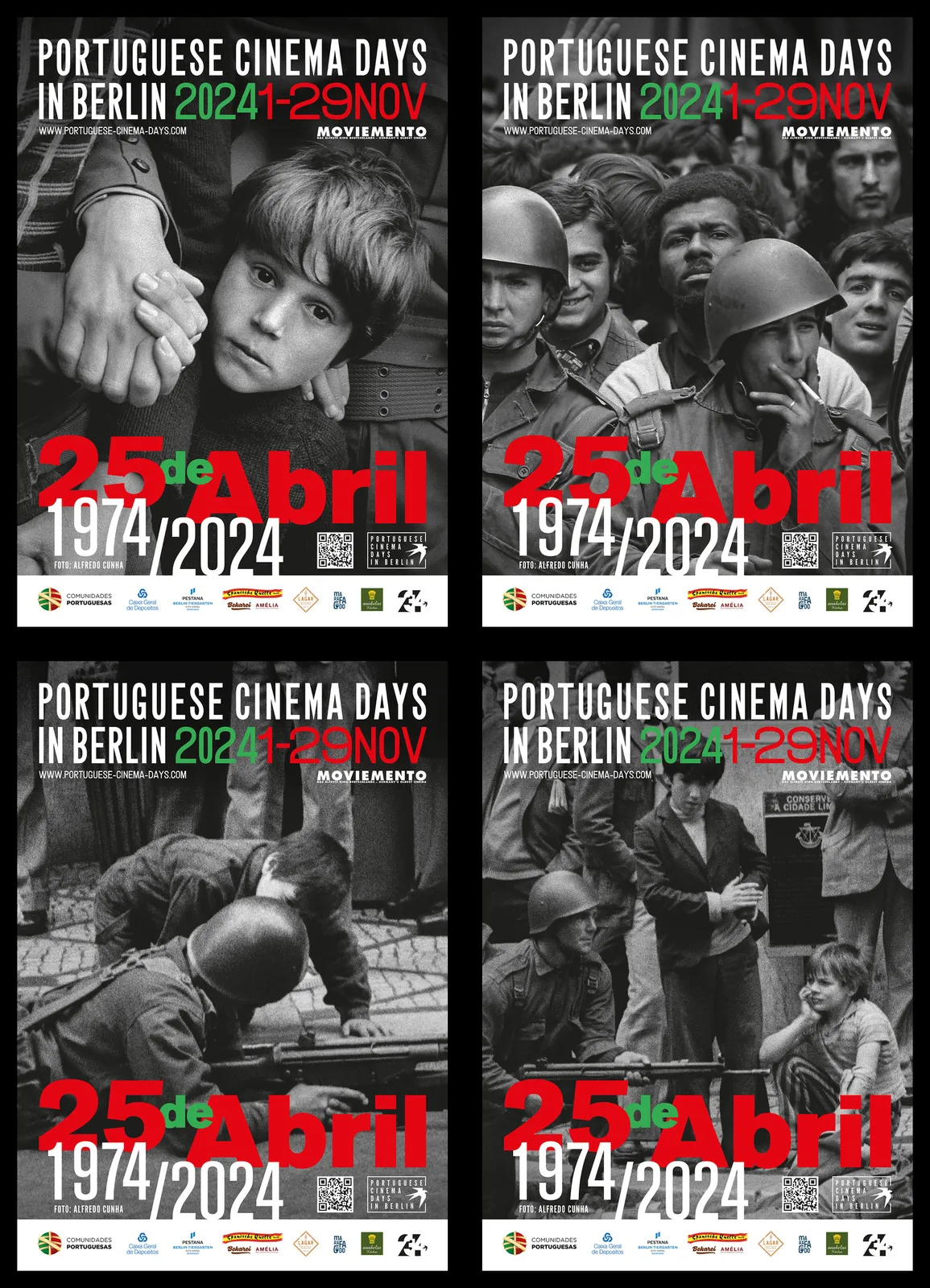
Die Ausgabe 2024 stand im Schatten eines Jubiläums: fünfzig Jahre seit der Nelkenrevolution vom 25. April 1974. Es war unser bisher größtes Programm, dreiundzwanzig Filme, die auf Diktatur, Kolonialkrieg und die fragile Arbeit am Aufbau einer Demokratie zurückblickten, ohne die Gegenwart je aus den Augen zu verlieren.
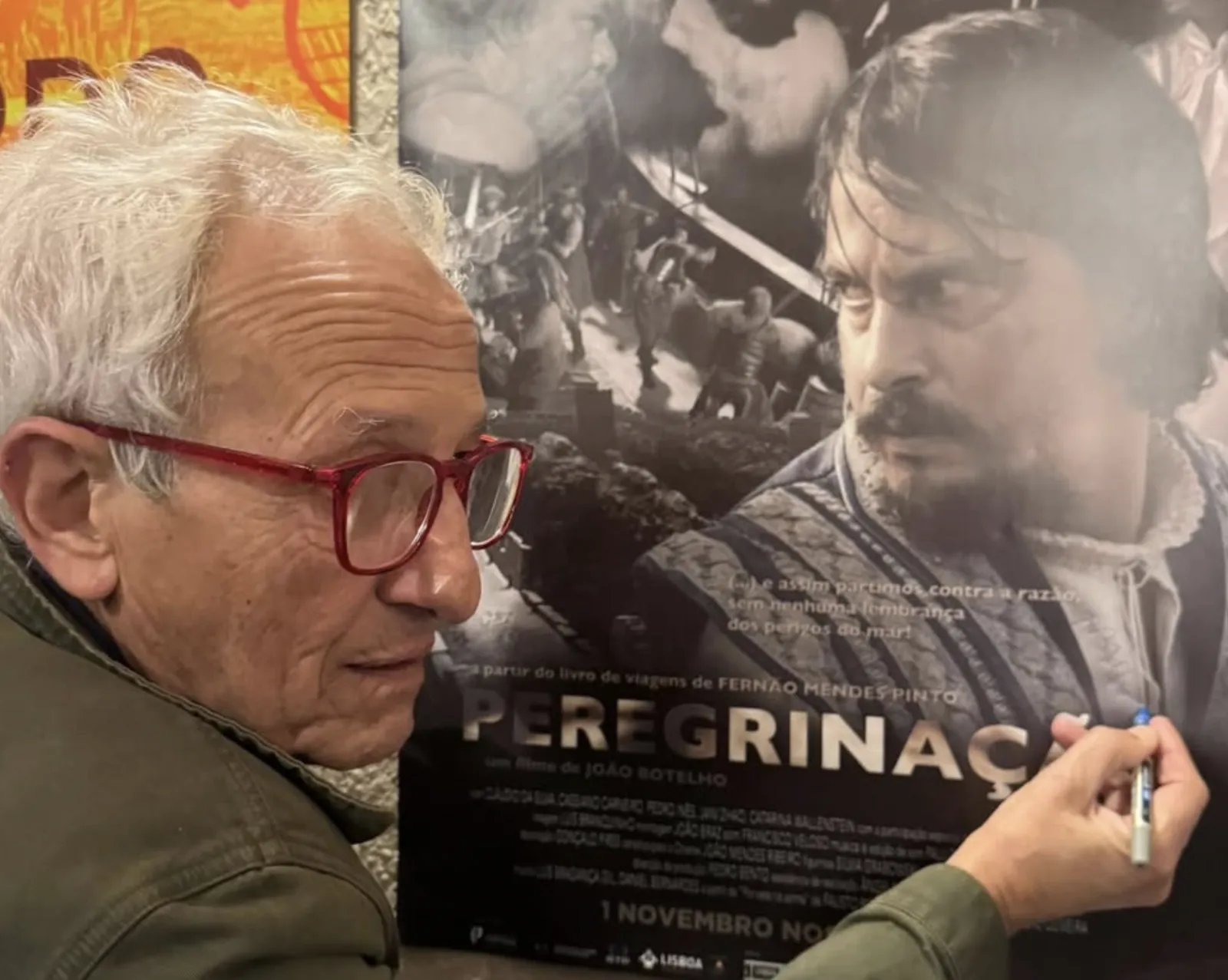
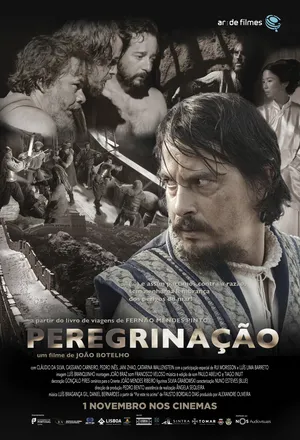
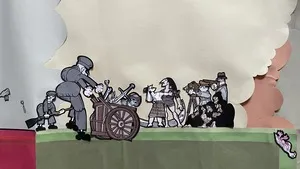
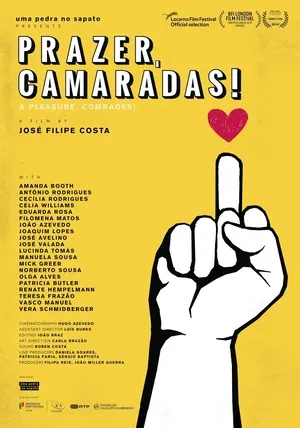
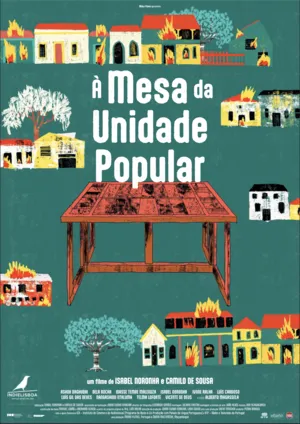
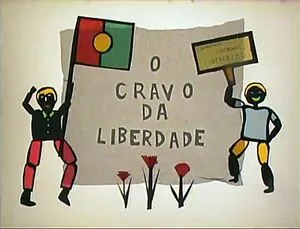
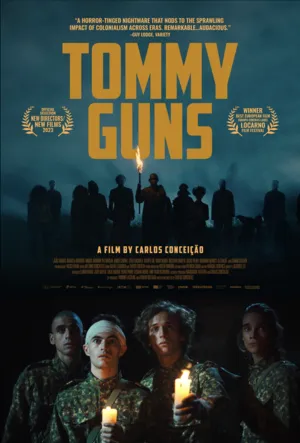
Eine Reihe von Werken sprach direkt das Datum an. 25 Abril - Uma Aventura para a Democracia, O Cravo da Liberdade, À Mesa da Unidade Popular und Prazer, camaradas! zeichneten die Revolution und ihre Folgen anhand von Archiv, Animation und Nachstellung nach. Um sie herum weiteten João Botelhos ausladende Peregrinação, die er persönlich vorzustellen kam, und Carlos Conceiçãos in Locarno ausgezeichneter Nação Valente den Blick auf Portugals längere, schwierigere Geschichte im Ausland.
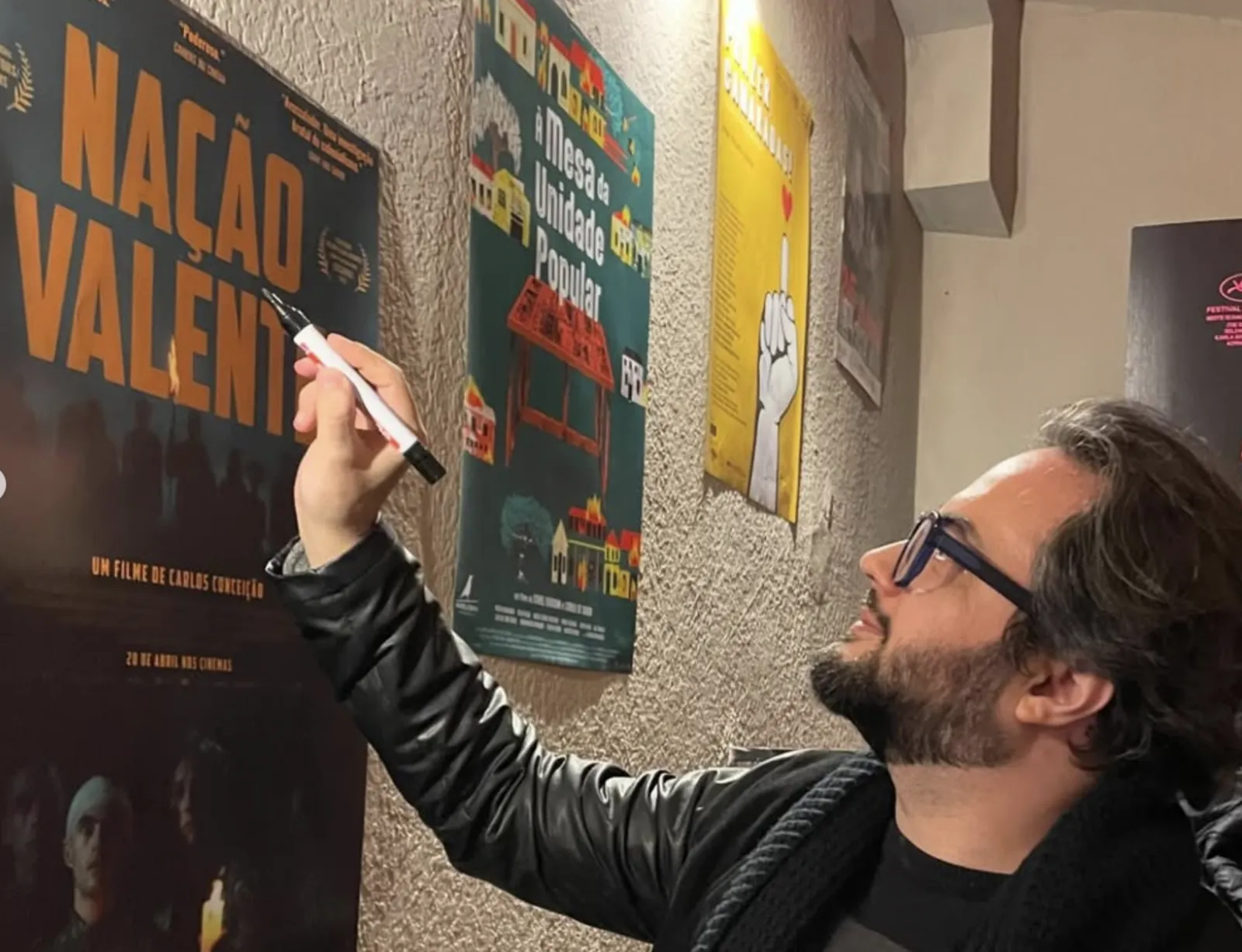
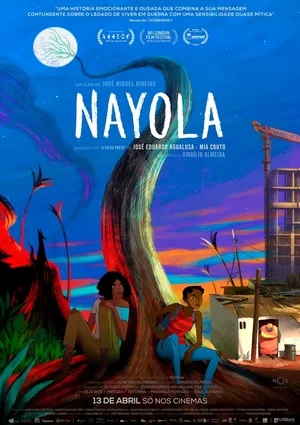
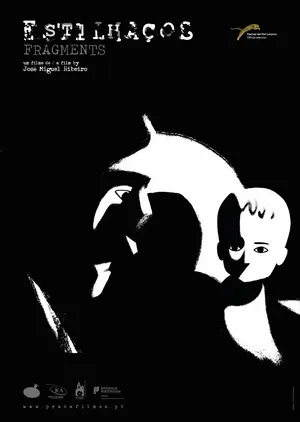
Die Animation nahm in diesem Jahr einen besonderen Platz ein. José Miguel Ribeiro kam, um sowohl seinen Spielfilm Nayola vorzustellen, der das Trauma des angolanischen Bürgerkriegs durch drei Generationen trägt, als auch seinen Kurzfilm Estilhaços, Teil einer Reihe von Kurzfilmen, die die Form in kühne Richtungen trieben.
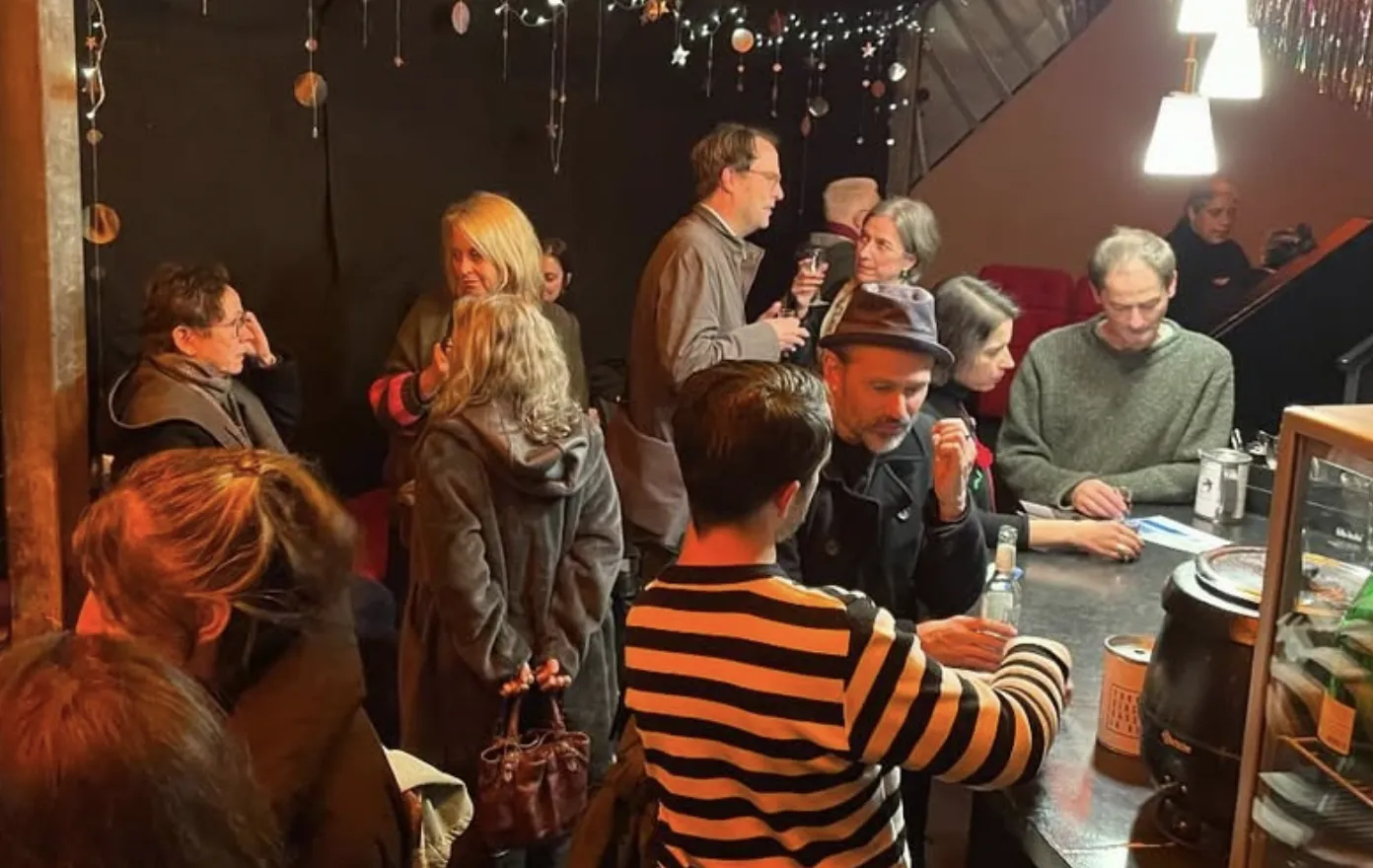
Viele weitere Filmemacher reisten an, um ihre Filme vorzustellen. Sowohl Carlos Conceição für Nação Valente als auch José Filipe Costa für seinen Dokumentarfilm Prazer, camaradas! sprachen nach ihren Vorführungen mit dem Publikum.
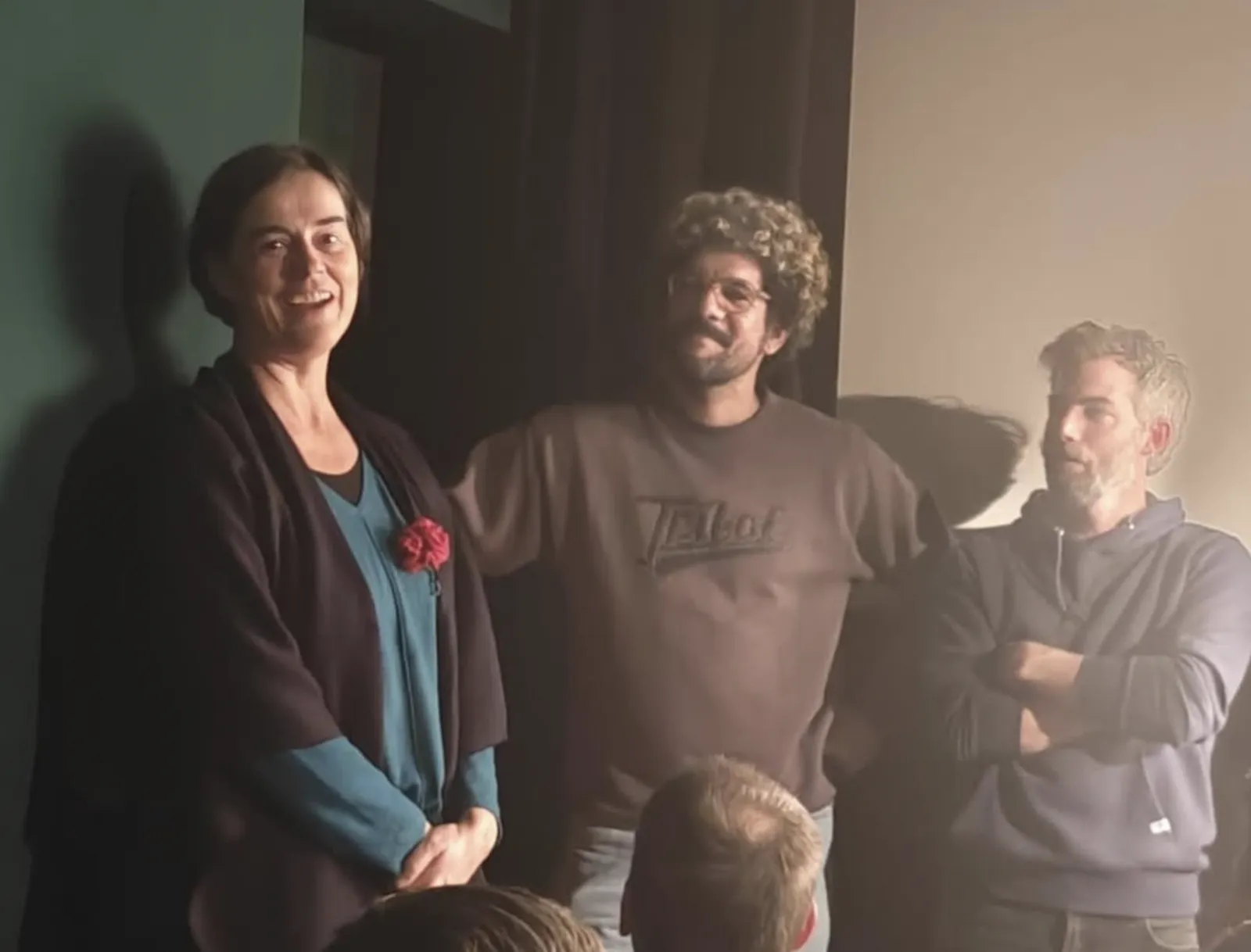
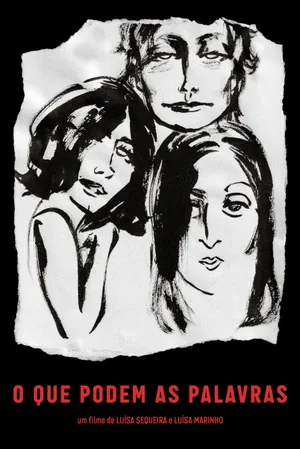
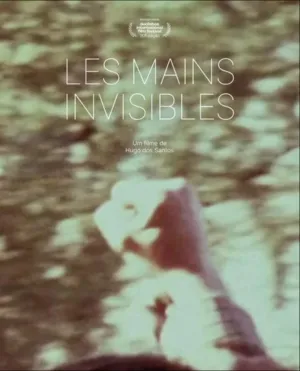
Luísa Sequeira brachte O Que Podem As Palavras mit, gemeinsam mit Sama, mit der sie zusammenarbeitet, und Hugo dos Santos stellte Mãos Invisíveis vor.
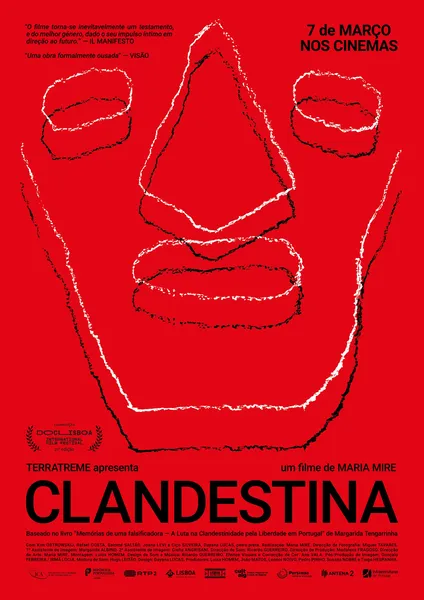
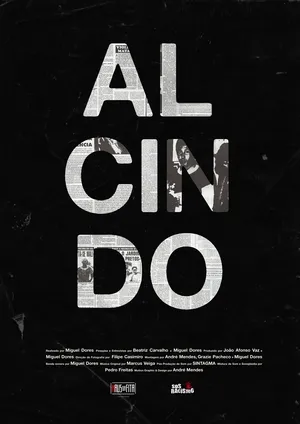
Maria Mire stellte Clandestina vor, und Miguel Dores seinen Alcindo.
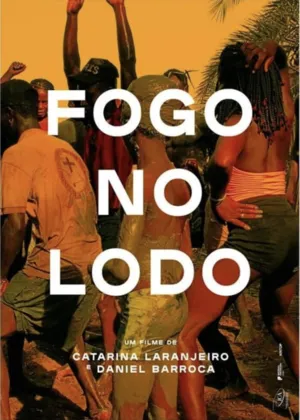
Catarina Laranjeiro und Daniel Barroca kamen, um Fogo no Lodo vorzustellen, den sie gemeinsam inszeniert haben.
Wie immer waren die Filme nur ein Teil des Abends, die Diskussionen, ein Glas Portwein und das Gefühl einer Gemeinschaft, die sich in Berlin um das portugiesische Kino versammelt, trugen die Ausgabe von einer Novembernacht zur nächsten.